
7 Signs Arthritis May Need Knee Replacement
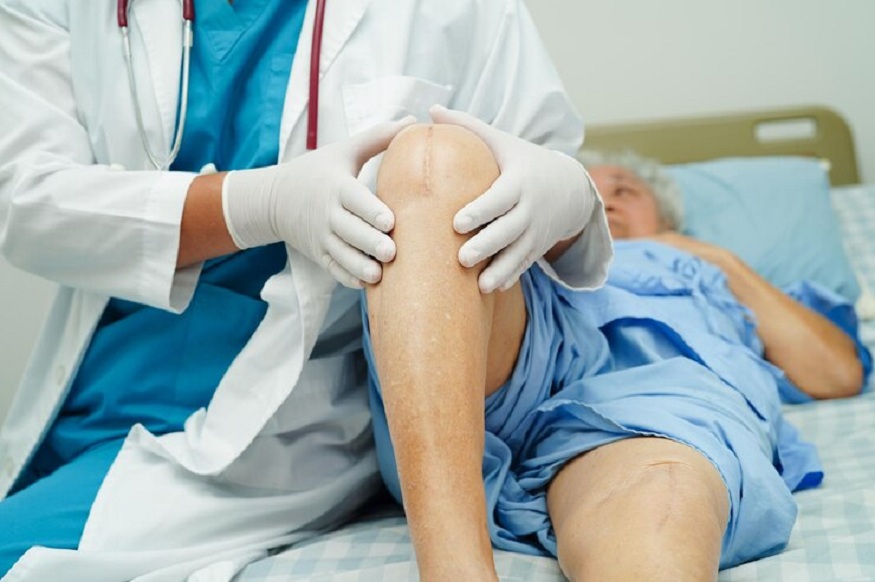
Knee pain is one of the most common joint problems affecting people as they age. While mild discomfort can often be managed with lifestyle changes and treatment, persistent and worsening pain may signal a more serious condition, such as arthritis. When arthritis severely damages the knee joint and limits daily movement, knee replacement surgery may become necessary.
Understanding the warning signs can help individuals seek timely medical advice and make informed decisions about their joint health. This blog helps you understand the 7 signs that arthritis may need knee replacement.
What Is Arthritis?
Arthritis is a condition that causes inflammation, stiffness, and pain in the joints. It occurs when the protective cartilage in the knee, which cushions the bones, gradually wears away. This cartilage acts like a shock absorber, allowing smooth movement. When it deteriorates, the bones begin to rub against each other, leading to pain, swelling, and reduced mobility.
Different types of arthritis can affect the knee, with wear and tear arthritis being the most common. This type develops over time due to aging, repetitive stress, or previous injuries. Inflammatory arthritis can also affect the knee, causing swelling and joint damage. Regardless of the type, untreated arthritis can significantly impact quality of life.
What Are The 7 Signs You Need A Knee Replacement?
Not every person with knee arthritis requires surgery. However, there are clear warning signs that indicate a knee replacement may be necessary:
- Chronic Knee Pain: If pain persists even during rest or sleep, it suggests severe joint damage.
- Difficulty Walking Or Climbing Stairs: Struggling with basic movements like walking, standing, or climbing stairs is a major red flag.
- Stiffness And Limited Movement: When bending or straightening the knee becomes extremely difficult, the joint may be severely affected.
- Frequent Swelling And Inflammation: Persistent swelling that does not reduce with rest or treatment may indicate advanced arthritis.
- Knee Deformity: If the knee begins to bow inward or outward due to cartilage loss, surgical intervention may be required.
- Dependence On Support: Needing a walking stick, walker, or constant assistance to move suggests significant joint deterioration.
- No Improvement With Treatment: When therapy, exercises, or pain management no longer provide relief, knee replacement may be the best option.
Recognizing these signs at the early stage and consulting a knee replacement specialist in Coimbatore is important before the condition worsens further.
What Are The Major Reasons That Knee Arthritis Occurs?
Several factors contribute to the development of knee arthritis:
1) Aging: As people grow older, cartilage naturally wears down, increasing the risk of arthritis.
2) Excess Body Weight: Carrying extra weight puts additional pressure on the knees, accelerating joint damage.
3) Previous Injuries: Past knee injuries, such as ligament tears or fractures, can lead to arthritis later in life.
4) Repetitive Stress: Jobs or activities that involve frequent kneeling, squatting, or heavy lifting can strain the knee joint.
5) Genetic Factors: Some individuals are more likely to develop arthritis due to family history.
6) Autoimmune Conditions: Certain inflammatory conditions can attack the joints and cause long term damage.
Understanding these causes helps in the prevention and early management of knee arthritis.
How Can Knee Arthritis Be Treated?
Treatment depends on the severity of the condition. In the early stages, nonsurgical approaches are usually recommended:
1)Lifestyle Modifications
Maintaining a proper body weight decreases the pressure on the knees.
2)Physical Therapy
Strengthening the muscles around the knee improves stability and reduces pain.
3) Low Impact Exercise
Activities such as walking, swimming, or cycling help maintain joint flexibility.
4) Supportive Devices
Knee braces or other supportive devices can provide relief and improve movement.
5) Pain Management Techniques
Heat or cold therapy and joint friendly habits can reduce discomfort.
When these methods no longer work and arthritis becomes severe, surgery may be considered. Knee replacement involves removing damaged cartilage and bone and replacing them with artificial components that restore movement and reduce pain.
Many patients experience significant improvements in mobility and quality of life after getting knee replacement surgery from the best ortho hospital in Coimbatore. Doing so can greatly help relieve the daily discomfort and provide complete peace of mind.
Conclusion
Arthritis is a progressive condition that can severely affect knee function if left untreated. While early stage arthritis can often be managed with nonsurgical treatments, advanced cases may require knee replacement to restore comfort and mobility. Recognizing warning signs such as constant pain, stiffness, swelling, and difficulty walking is crucial for timely medical intervention.
If you have severe knee pain and it is interfering with daily life, consulting a specialist is the best step forward. With proper diagnosis and treatment, individuals can regain independence, reduce discomfort, and lead a more active and fulfilling life.