
What to Eat After Plasma Donation for Optimal Recovery
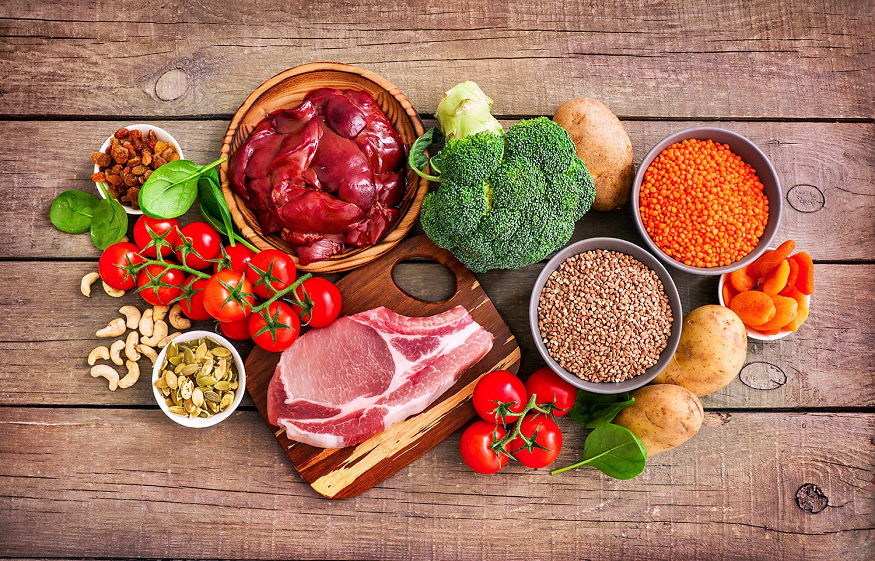
- Recovery after plasma donation hinges on protein intake, a vital element that aids in cell synthesis and tissue repair. Clients should consider adding high-quality sources such as lean meats, eggs, dairy, and plant proteins to facilitate this recovery.
- Post-donation hydration remains crucial since plasma is composed mostly of water. It’s important to drink water, electrolyte drinks, and herbal teas to fend off fatigue and enhance recovery.
- Essential minerals, including iron and B-vitamins, play a significant role in expediting recovery following plasma donation. Foods high in these nutrients, such as leafy greens and nuts, can help elevate recovery speed and energy levels.
- Snacking on high-energy foods like trail mix or nut butter spread on toast can quickly replenish energy levels after a plasma donation. These choices provide healthy fats and protein, both of which support the recovery process.
- Post-donation, it’s wise to steer clear of high-sugar foods, as they may lead to energy crashes and impede recovery. Whole foods that offer balanced sugars and fiber should be the primary focus instead.
- Limiting caffeine intake is advisable after plasma donation, given its dehydrating properties. Moderating caffeine helps maintain hydration, a key requirement for effective recovery.
- Highly processed foods tend to sap essential nutrients critical for healing. Consumers should prioritize whole, unprocessed options to deliver the vital nutrients necessary after donating plasma.
Top Nutrients to Fuel Post-Plasma Donation Recovery
The Role of Protein in Replenishing Plasma Levels
Post-donation, the body enters a phase that demands significant rebuilding efforts. One crucial element during this recovery is protein. It is indispensable for synthesizing new cells and repairing tissues that have been affected by the plasma loss. Consuming protein shortly after donation can really kickstart recovery and help restore plasma levels more rapidly.
Experts advocate for incorporating high-quality protein sources into meals. Options like lean meats, eggs, dairy products, and plant-based proteins, such as beans and lentils, are highly recommended. These foods not only support muscle repair but also boost antibody production for immune functioning. For individuals who donate plasma regularly, maintaining vitality is especially important.
- Chicken or turkey.
- Eggs and Greek yogurt.
- Beans, lentils, and chickpeas.
- Fish, especially fatty varieties like salmon.
Why Hydration is Critical After Donation
Hydration is non-negotiable—plasma consists mainly of water, and it’s essential to replace lost fluids. Health professionals stress the urgency of rehydrating promptly after a donation. Dehydration can lead to fatigue, headaches, and slower recovery times, so drinking fluids post-donation is not just helpful; it’s vital.
Examples of effective hydration include water, electrolyte-rich drinks, and herbal teas, which help restore sodium and potassium levels often depleted during donation. Smoothies are also a great option as they simultaneously hydrate and nourish.
- Water – plain, flavored, or sparkling.
- Electrolyte drinks like coconut water or sports beverages.
- Herbal teas such as peppermint or chamomile.
Read More: EXPLORING DENTAL VENEERS IN VANCOUVER, WA: A CONFIDENT SMILE STARTS CLOSER THAN YOU THINK
Essential Vitamins and Minerals for a Speedy Recovery
Many don’t realize the power of certain vitamins and minerals in facilitating recovery after plasma donation. Iron tops the list, critical for producing more red blood cells. Clients often find their iron intake needs boosting, particularly if prior diets lacked sufficient sources.
B-vitamins, especially B12 and B6, are also vital. Their roles in energy metabolism and cell formation act as energy enhancers during recovery. Consuming foods fortified with these nutrients or opting for a moderate supplement may significantly accelerate recovery.
- Leafy greens like spinach and kale.
- Nuts and seeds, particularly pumpkin seeds.
- Whole grains, oats, and fortified cereals.
- Lean meats rich in iron.
Quick Snacks to Boost Your Energy Post-Donation
High-Energy Snacks for Immediate Replenishment
Feeling a bit wiped out after donating plasma? High-energy snacks are the perfect solution for a quick recovery, snapping the body back into action. Snacks combining carbohydrates, healthy fats, and protein typically yield the best results.
For example, trail mix with nuts and dried fruits is ideal. It’s packed with healthy fats, fiber, and instant energy. Another quick fix? Nut butter spread on whole-grain toast. That’ll help restore energy levels while keeping hunger at bay.
- Trail mix with nuts and dried fruits.
- Nut butter on whole-grain toast.
- Protein bars with natural ingredients.
Delicious, Easy-to-Make Smoothies for Recovery
There’s something uniquely refreshing about smoothies after a plasma donation. Blending fruits, vegetables, and protein powders results in a nutritious drink that’s also easy to digest. The beauty is in the versatility; individuals can customize their smoothies based on specific nutritional requirements.
A banana-spinach smoothie with protein powder can offer carbohydrates, iron, and protein at once. Combining fruits with greens not only simplifies recovery but also packs a flavor punch. Add some nut butter or yogurt for healthy fats, and it’s a win!
- Banana, spinach, and protein powder smoothie.
- Mixed berry and Greek yogurt smoothie.
- Mango and coconut water blend.
Read More: PRIVATE PEDIATRICIAN NEAR ME: WHEN SHOULD YOU VISIT A CHILDREN’S SPECIALIST?
Top Choices for Carbohydrate-Rich Snacks
Replenishing glycogen stores is crucial for full recovery after a plasma donation. Carbohydrates play a supportive role, offering necessary energy while the body works on maintaining plasma levels. So, what snacks should be considered?
Whole-grain options are particularly beneficial. They deliver sustained energy and essential nutrients simultaneously. Choices like oats, sweet potatoes, and whole-grain wraps are excellent. Including proteins in these snacks enhances energy restoration.
- Whole-grain bread with avocado.
- Sweet potato with a sprinkle of cinnamon.
- Rice cakes topped with almond butter.
Avoid These Foods for Optimal Post-Donation Health
Why High-Sugar Foods Can Slow Recovery
Indulging in sweets after a demanding donation can be tempting, but here’s the catch: high-sugar foods can trigger blood sugar spikes, leading to energy crashes later on. Not only does this delay recovery, but it can also leave people feeling worse than before.
To foster sustained energy and accelerate recovery, aiming for whole foods that balance sugars with fiber is beneficial. These foods assist in maintaining consistent energy levels while supplying necessary nutrients for healing.
- Candy and sugary snacks.
- Sugary beverages, including sodas.
- Cakes and pastries.
Avoiding Excess Caffeine to Stay Hydrated
Then there’s caffeine to consider. While it offers a quick energy boost, excessive consumption may result in dehydration. In the aftermath of plasma donation, staying hydrated is vital, making it important to keep caffeine in check. Cutting back on caffeine can facilitate recovery, avoiding the diuretic effects that can impede fluid restoration.
Replacing coffee with herbal teas may improve hydration levels while offering antioxidant benefits, further supporting recovery.
- Limit coffee and espresso.
- Avoid energy drinks.
- Opt for herbal or decaffeinated teas instead.
Foods That May Deplete Essential Nutrients
Certain foods can hinder recovery by depleting key nutrients necessary for healing after plasma donation. Highly processed items, despite their convenience, often neglect crucial vitamins and minerals important for energy restoration. They can sneakily complicate recovery efforts.
Choosing whole, unpackaged foods can provide the wealth of nutrients needed for a swift recovery. This includes seasonal fruits, fresh vegetables, and lean proteins that fuel the body’s healing processes post-donation.
- Processed snacks with minimal nutritional value.
- Fast food items high in preservatives.
- Pre-packaged meals lacking nutrition.
Sample Meal Plans for Ideal Recovery After Donation
Nutritious Breakfast Ideas to Kickstart Recovery
Breakfast marks the start of recovery. An ideal meal sets a positive tone for the day ahead. Professionals recommend a balanced breakfast that includes protein, healthy fats, and carbohydrates—all working together for energy.
For example, oatmeal topped with berries and a spoonful of nut butter creates a fantastic and fulfilling option. Alternatively, consider eggs paired with whole-grain toast and avocado; they provide a solid energy boost to get the body moving.
- Oatmeal with berries and nut butter.
- Scrambled eggs with spinach and toast.
- Chia seed pudding with fruit.
Balanced Lunch Options for Sustained Energy
Following a donation, lunch becomes incredibly important. A balanced meal during this time can sustain energy throughout the day. Recipes featuring lean proteins and colorful vegetables provide both nourishment and vibrancy.
A quinoa salad loaded with chickpeas, tomatoes, and cucumber presents a great option. Alternatively, grilled chicken served alongside a variety of roasted veggies keeps lunch both satisfying and nutrient-dense, supplying the body with essential elements for recovery.
- Quinoa salad with cucumbers, tomatoes, and chickpeas.
- Grilled chicken over roasted vegetables.
- Wraps with lean proteins and assorted greens.
Wholesome Dinner Recipes to Round Out Your Day
A wholesome dinner is essential to wrap up a day dedicated to recovery. This meal provides an opportunity to recharge. Dishes abundant in nutrients bolster the body’s healing processes.
Baked salmon served with sweet potatoes and sautéed greens offers a deliciously balanced plate. Or consider a vibrant stir-fry packed with colorful vegetables and tofu over brown rice. Both meals cover multiple nutritional needs, offering high protein as well as an array of vitamins and minerals.
- Baked salmon with sweet potatoes and greens.
- Vegetable stir-fry with tofu over brown rice.
- Lentil soup filled with veggies and spices.
Everyone carries distinct preferences and dietary constraints, but maintaining a nutritional focus is crucial, particularly for those curious about what to eat after plasma donation.
FAQ
How soon after plasma donation should one start eating?
Clients should aim to consume a nutritious snack within one to two hours following donation. This quick refueling not only aids in recovery but also effectively replenishes lost nutrients.
Are there specific foods to avoid before donating plasma?
It’s advisable to avoid high-fat and greasy foods in the hours leading up to the donation. These types of foods might negatively impact plasma quality, potentially affecting the donation process.
Can supplements help with recovery after plasma donation?
While obtaining nutrients from whole foods is always preferable, supplements can provide support if dietary intake falls short. Iron and B-vitamin supplements are frequently recommended for those experiencing specific deficiencies.
What beverages are best for hydration after donating plasma?
In addition to plain water, electrolyte beverages and herbal teas serve as excellent options for fluid replenishment. Coconut water and sports drinks can effectively help restore lost electrolytes and combat dehydration.
How does plasma donation affect exercise routines?
Generally, light physical activity is permissible shortly after donating. However, professionals recommend steering clear of intense workouts for at least 24 hours to ensure the body has ample time to recover.
Can one donate plasma while following a vegetarian or vegan diet?
Indeed, vegetarians and vegans can donate plasma, provided their diets include adequate amounts of protein, iron, and essential vitamins. Plant-based sources like beans, lentils, and fortified cereals can effectively support recovery.
Is it safe to consume alcohol after donating plasma?
Moderation remains key. Alcohol consumption can lead to dehydration, so waiting at least 24 hours after donation before indulging in alcoholic beverages is advisable to ensure proper recovery.
What is the ideal timing for meals after donation throughout the day?
Clients generally benefit from eating balanced meals throughout the day following donation. Beginning with a nutritious breakfast within a few hours, succeeded by light yet nutritious lunches and dinners, can help maintain energy levels and facilitate recovery.