
Liposuction Cannula: Why Precision Matters in Surgery
Key Takeaways
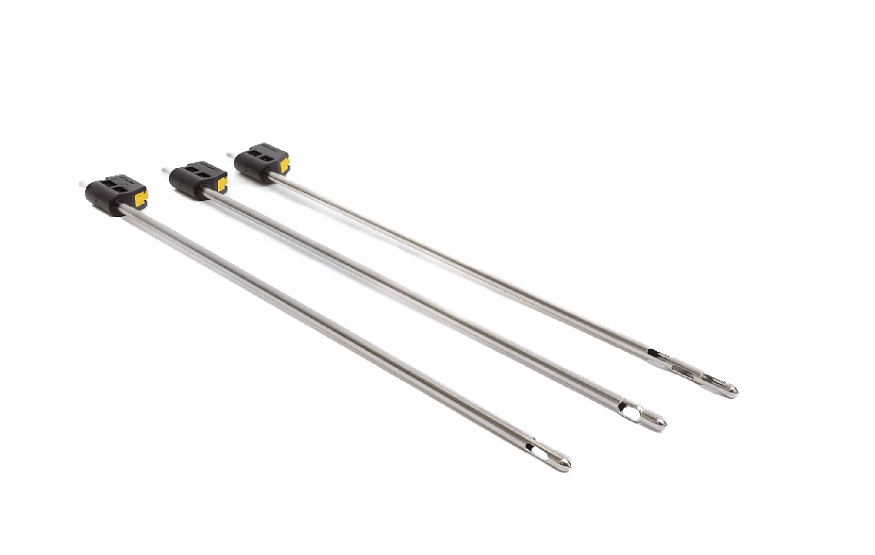
Liposuction cannula design significantly affects surgical outcomes; a thoughtfully crafted cannula can greatly influence recovery time and the efficiency of fat removal.
The shape of a cannula plays a vital role in fat extraction; straight cylindrical designs enable deeper penetration, while curved variants facilitate better navigation in contoured regions.
Using smaller diameter cannulas tends to minimize trauma to nearby tissues, thereby decreasing postoperative swelling, though they may necessitate more passes during the procedure.
The choice of material used in a cannula can impact both effectiveness and patient experience; stainless steel is the conventional choice, but advancements in medical-grade polymers and titanium coatings can boost functionality.
Surgeons select cannula size based on specific requirements; larger options excel in high-volume fat removal, whereas smaller cannulas are more suited for detail-oriented contouring.
Specialty cannulas, including double-lumen and vibro-assisted types, address particular anatomical challenges, thus enhancing both surgical precision and patient outcomes.
Innovations like robotic-assisted cannulas and real-time visual aids are revolutionizing liposuction, thereby improving precision and the overall surgical experience.
The Science of Liposuction Cannula Design
Grasping the science of liposuction cannula design is imperative for cosmetic surgeons who strive to optimize patient outcomes. The quality of a cannula can distinguish between an uncomplicated recovery and a complicated one. Initially, understanding how the strategically structured design informs the entire fat removal process is paramount.
Read More: Discover How Biocompatibility Enhances Patient Outcomes
How Cannula Shape Influences Fat Removal Efficiency
Surgeons often grapple with the choice of cannula shape that will maximize fat extraction. A straight cylindrical cannula penetrates deeply but may sacrifice some control. On the flip side, a curved design grants enhanced maneuverability, particularly in areas contoured like the thighs or abdomen. Nevertheless, fat removal efficiency hinges not merely on shape but also on the relationship between shape and technique.
Studies indicate that a tapered or angled tip facilitates better access to resistant fat deposits. Though it might appear insignificant, this feature can markedly improve precision and efficiency. Each surgeon’s style often evolves from years of practice, shaping their surgical methodologies.
The size of the cannula also matters. Smaller-diameter options result in less trauma to surrounding tissues, minimizing post-operative swelling. However, those may require additional passes, which can extend surgical time. Thus, finding the ideal balance is essential for achieving optimal results.
Materials Matter: What Today’s Cannulas Are Made Of
The materials used in a liposuction cannula can greatly affect not only the efficacy of fat removal but also the overall patient experience. Stainless steel is still the gold standard for its unmatched strength and flexibility. Innovations have introduced alternatives such as medical-grade polymers, which offer distinct advantages.
- Stainless Steel: The classic choice, renowned for its durability.
- Medical-Grade Polymers: Lightweight options that can alleviate fatigue for surgeons during lengthy procedures.
- Titanium Coatings: These enhance durability and decrease friction, allowing for smoother movements.
It’s intriguing how material choices can shape surgical outcomes. For instance, a cannula with robust tensile strength can withstand greater usage before wearing down, allowing for more effective fat extraction. Skillful professionals make the most of these innovations, leading to enhanced precision in body contouring.
Choosing the Right Cannula for Optimal Results
Optimal results hinge on this crucial decision, with numerous factors playing a role. Surgeons aren’t merely choosing a tool; they’re selecting an extension of themselves for the procedure.
Understanding Size Variations and Their Impact
A wide range of cannula sizes exists, each designed for specific tasks. Broader cannulas facilitate rapid fat extraction, making them suitable for larger deposits. However, they can lead to increased bruising and swelling. Narrow cannulas are beneficial for delicate areas but may prolong the extraction process due to their slower pace.
- Small Cannulas: Ideal for refining contours.
- Medium Cannulas: Flexible for most standard procedures.
- Large Cannulas: Best suited for high-volume fat removal.
The surgeon’s skill is paramount here. It isn’t just about picking a size; it requires understanding how that size interacts with each patient’s unique anatomy. Precision moves beyond being a trend—it’s essential for achieving the desired aesthetic results.
Specialty Cannulas: Tailoring for Unique Body Contours
Unique challenges arise with certain patients. Surgeons often turn to specialty cannulas designed to meet specific anatomical needs. For instance, a double-lumen cannula facilitates simultaneous fat removal and tumescent fluid infiltration, offering an innovative approach that minimizes bleeding.
Here’s a quick overview of specialty cannulas:
- Microcannulas: Crafted for minimally invasive fat grafting procedures.
- Vibro-assisted Cannulas: Equipped with a vibrating feature to assist in fat removal with reduced tissue trauma.
- Harvesting Cannulas: Specialized for acquiring fat intended for grafting processes.
Surgeons adept at using these options can address a myriad of patient needs, bolstering the capabilities of their practice and improving satisfaction rates.
Techniques for Mastering Cannula Use in Surgery
Mastering cannula use requires considerable experience. Still, newer surgeons can benefit from a few standout tips as they refine their skills. Applying effective techniques can significantly reduce the time it takes to gain proficiency.
Effective Manipulation: Tips for Surgeons
A fundamental component involves grasping the anatomy of the area being treated. Using a cannula without visual reference can risk damaging underlying structures. Professionals frequently emphasize the importance of visualization—tools such as liposcanners can provide invaluable assistance here.
“Fat removal isn’t just about suctioning; it’s about sculpting. Precision is key.” – Renowned Plastic Surgeon
Another technique involves incorporating a back-and-forth motion rather than simply pushing the cannula in and out. This method allows the cannula to effectively dissect tissues, leading to a smoother extraction experience. Adjusting pressure selectively can make a notable difference in fat engagement and removal.
Safety Protocols When Using Cannulas
Safety during procedures is of utmost importance. Customized approaches require adherence to rigorous protocols to minimize unnecessary risks. Surgeons often stress that preparation is essential: having the right instruments and tools readily available can save critical time during surgery.
- Patient Positioning: Proper positioning helps decrease complications.
- Monitoring Vital Signs: Continuous checks during the procedure can catch potential issues early.
- Use of Tumescent Anesthesia: This technique can significantly reduce the likelihood of bleeding.
Preparation continues after surgery; follow-up care is essential to ensure a smooth recovery for patients, reinforcing their trust in both the procedure and the practitioner.
The Future of Liposuction Cannula Innovations
The journey of the liposuction cannula is far from over. Innovations are consistently emerging, propelled by technological advancement and an increasing demand for tailored procedures. Staying informed about these trends allows professionals to remain at the forefront of the field.
Read More: Minimally Invasive Procedures In Orthopedic Surgery
Emerging Technologies and Their Expected Impacts
Technological progress is paving the way for possibilities once thought to be unattainable. Cannulas equipped with high-definition cameras enable surgeons to have real-time visual feedback, improving both efficiency and precision. Imagine augmented reality overlays on the surgical field. It may sound futuristic, but this technology is being integrated into modern practices.
“The future belongs to those who believe in the beauty of their dreams.” – Eleanor Roosevelt
Robotic-assisted cannulas are also starting to gain traction, allowing for incredibly precise movements that can be challenging for less experienced hands. These advancements promise fewer complications and enhanced cosmetic results. They not only propel the field forward but also prioritize patient safety.
Trends in Patient-Centric Cannula Design
As patient expectations evolve, the demand for improvements in liposuction techniques intensifies. Surgeons are increasingly focused on personalizing treatments, merging artistry with science. Observing trends in design illustrates a growing shift towards cannulas tailored to unique body types.
- Ergonomic Designs: Crafted to reduce hand fatigue and promote surgeon comfort.
- Custom Sizes: Tailored for distinct demographics or individual requirements.
- Biocompatibility: Ensuring the materials used don’t provoke adverse reactions post-surgery.
Surgeons embracing these patient-centric designs are likely to witness higher satisfaction rates among their clientele. Leading the way in this trend not only enhances surgical outcomes but also builds a reputation for excellence.
FAQ
What are the benefits of using smaller cannulas in liposuction?
Smaller cannulas tend to lessen trauma to surrounding tissues, crucial for minimizing postoperative swelling. They may require more passes to achieve the desired fat removal, yet their precision often results in more aesthetically pleasing outcomes.
How do surgeons determine the best cannula type for each patient?
Surgeons evaluate various factors, including the patient’s anatomical characteristics, the volume of fat to be removed, and the intended aesthetic result. This tailored approach ensures that the selected cannula delivers optimal outcomes for each unique individual.
What role do emerging technologies play in liposuction procedures?
Emerging technologies, such as robotic-assisted cannulas and high-definition cameras, enhance surgical precision and efficiency. These advancements provide real-time visual feedback and allow for more controlled movements, significantly improving patient outcomes.
How does the choice of cannula material impact the procedure?
The choice of cannula material influences not only durability but also the comfort level of the patient. While stainless steel remains the dominant choice for its strength, innovative materials like medical-grade polymers can reduce surgeon fatigue during lengthy procedures.
What techniques can improve the effectiveness of cannula use during surgery?
Effective manipulation of a cannula includes a solid understanding of the treated area’s anatomy and employing a back-and-forth motion to engage fat efficiently. The use of tools like liposcanners can further enhance precise fat extraction.
Are there specific safety protocols that should be followed during liposuction?
Indeed. Adhering to safety protocols such as appropriate patient positioning, continuous monitoring of vital signs, and utilizing tumescent anesthesia to minimize bleeding are imperative. Adequate preparation with the right instruments also contributes to a smoother procedure.
What trends are shaping the future of cannula design?
Emerging trends emphasize ergonomic designs enhancing surgeon comfort and custom-sized cannulas tailored for individual patients. An increasing focus on biocompatibility ensures that materials used do not provoke adverse reactions following surgery.
How can patients benefit from innovative cannula designs?
Innovative cannula designs can lead to better surgical outcomes, shorter recovery times, and improved patient satisfaction. With advancements geared towards personalizing procedures, patients are likely to see results that align more closely with their aesthetic aspirations.